
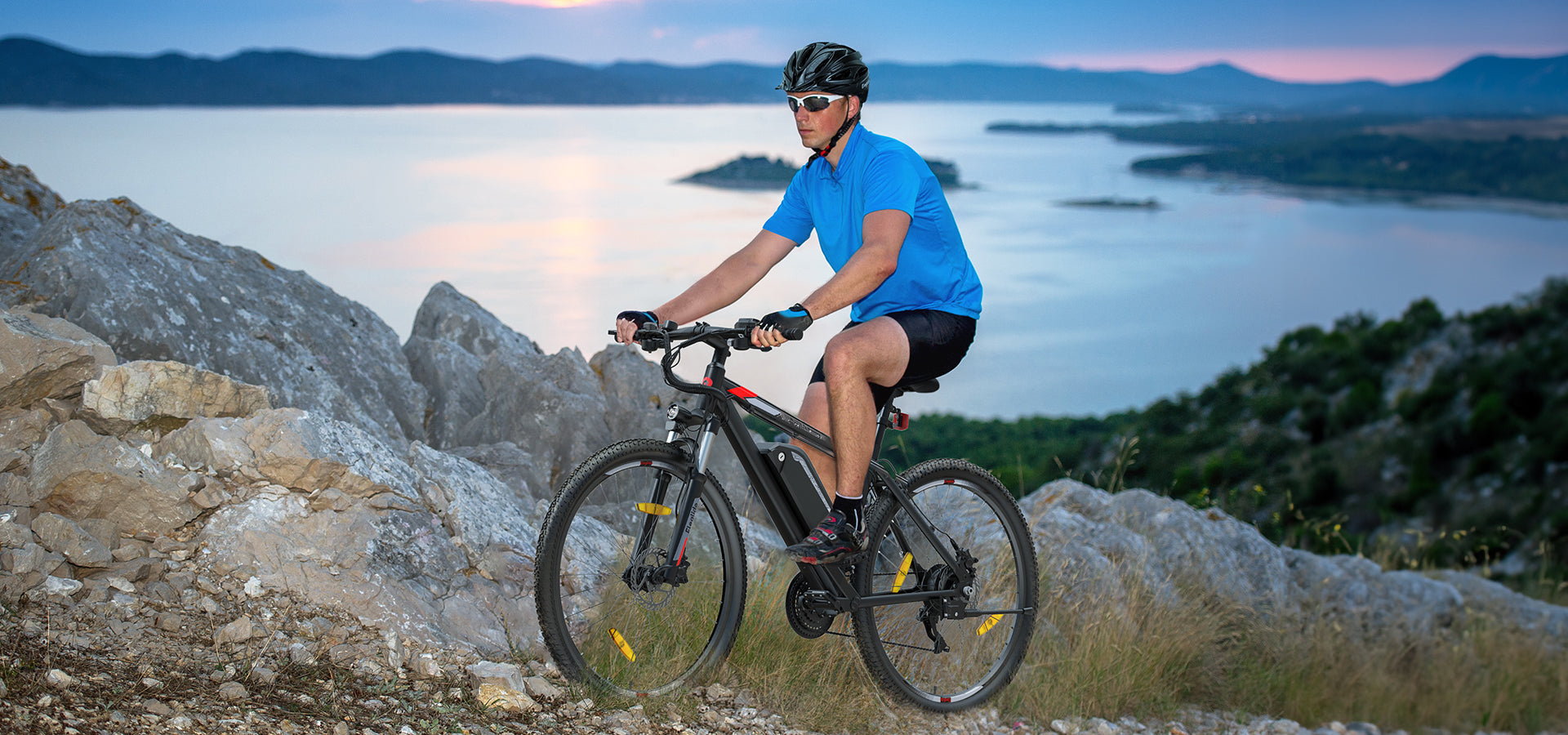
Bei der Auswahl des richtigen E-Mountainbikes geht es nicht mehr nur um den Preis.. Der heutige Markt bietet eine Fülle von Optionen, die ähnlich aussehen, sich aber drastisch unterscheiden.. Jedes Modell bietet unterschiedliche Leistungsniveaus, Komponentenqualitäten und Fahreigenschaften zu verschiedenen Preisen..
Einige Modelle werben mit beeindruckenden technischen Daten, erfüllen aber unter realen Fahrbedingungen nicht ihre Erwartungen.. Andere bieten hervorragende Ingenieursleistungen zu überraschend günstigen Preisen.. Für einen klugen Kauf braucht man mehr als Glück – man braucht Wissen..
Dieser Leitfaden erklärt Ihnen, wie Sie Funktionen bewerten, Testberichte zu E-Bikes interpretieren, Modelle vergleichen und das kostengünstige E-Mountainbike für sich finden.. Es vereint praktische Ratschläge, technisches Fachwissen und realistische Kauflogik, damit Sie eine fundierte Entscheidung treffen können..
Verstehen, was „Budget“ wirklich bedeutet
Der Begriff Budget wird oft missverstanden.. Viele Fahrer nehmen an, es bedeute „billig oder von geringer Qualität“, in Wirklichkeit sollte Budget jedoch kosteneffiziente Leistung bedeuten.. Ein gut gewähltes, preisgünstiges E-Bike bietet Zuverlässigkeit, Sicherheit und ein angenehmes Fahrgefühl ohne unnötige Luxuskomponenten oder zusätzliches Gewicht..
Bei preisgünstigen Modellen wird mitunter an kritischen Stellen wie Batteriezellen, Bremssystemen oder Rahmenschweißungen gespart.. Diese Abkürzungen sind vielleicht nicht auf den ersten Blick ersichtlich, aber sie zeigen sich oft nach monatelanger Nutzung.. Deshalb wählen erfahrene Fahrer selten die günstigste Option.. Stattdessen vergleichen sie Haltbarkeit, Komponentenmarken und reale Testergebnisse..
Das Lesen von Testberichten zu E-Bikes ist eine der effektivsten Methoden, um den Wert zu beurteilen.. Rezensionen nach Langzeittests enthüllen Details, die in Datenblättern nicht zu finden sind.. Dazu gehören die Motorwärmeregulierung, der Batterieverschleiß, die Getriebegenauigkeit und die Gesamtleistung von Motor und Batterie.. Wenn viele Fahrer dieselben Stärken oder Schwächen melden, kann man diesem Muster vertrauen..
Eine von erfahrenen Käufern angewandte praktische Regel ist einfach:
Die klügste Wahl für ein begrenztes Budget ist das Modell mit dem besten Preis-Leistungs-Verhältnis, nicht das mit dem niedrigsten Preis..
Definiere deine Fahrbedürfnisse
Bevor Sie die technischen Daten vergleichen, müssen Sie Ihr eigenes Fahrprofil verstehen.. Selbst das technisch beste Fahrrad wird enttäuschen, wenn es nicht Ihren Nutzungsgewohnheiten entspricht..
Betrachten Sie diese Faktoren:
- Geländetyp: Wege, Schotter, Asphalt oder gemischte Oberflächen
- Strecke pro Fahrt
- Höhengewinn und Hügelfrequenz
- Lager- und Transportbedarf
- Fitnessniveau und Pedalpräferenz
Fahrer, die häufig steile Anstiege bewältigen, profitieren beispielsweise von Motoren mit hohem Drehmoment oder leistungsstarken Motoren.. Wer längere Wochenendausflüge plant, sollte ein E-Bike mit großer Reichweite und einem leistungsstarken Akku in Betracht ziehen.. Stadtbewohner, die ihre Fahrräder Treppen hoch oder in Züge tragen, bevorzugen möglicherweise leichte elektrische Mountainbikes.. Sie reduzieren die Belastung beim Heben.
Der von Ihnen beabsichtigte Verwendungszweck bestimmt, welche Funktionen am wichtigsten sind.. Viele Erstkäufer überspringen diese Bewertung und vereinbaren vor dem Kauf nicht einmal eine Probefahrt..
Am Ende erhalten sie Fahrräder, die zwar leistungsstark, aber unbequem sind.. Oder die Fahrer wählen Leichtbaumodelle, denen es an ausreichender Motorleistung mangelt..
Eine vorherige Klärung Ihrer Bedürfnisse verhindert diese Diskrepanz..
Zu bewertende technische Kernmerkmale
Jeder seriöse Kaufberater für Mountainbikes konzentriert sich auf einen Kernsatz an Komponenten.. Diese Elemente beeinflussen direkt Fahrverhalten, Sicherheit und langfristige Zufriedenheit..
Motor &Leistung
Der Motor bestimmt, wie sich das Fahrrad auf dem Trail anfühlt.. Zwei Schlüsselkennzahlen beschreiben die Motorleistung:
- Wattzahl – gibt die Ausgangsleistung und das Beschleunigungspotenzial an
- Drehmoment (Nm) – gibt die Kletterkraft und die Lastbewältigung an
Für Fahrten im Gelände ist das Drehmoment besonders wichtig.. Ein Motor mit einer Leistung von 50 Nm oder mehr bietet spürbare Unterstützung an steilen Hängen und auf losem Untergrund.. Fahrer, die Ausrüstung transportieren oder in großen Höhen unterwegs sind, könnten von noch höheren Drehmomentwerten profitieren..
Die Motorplatzierung ist ebenfalls wichtig.. Mittelmotoren bieten typischerweise eine bessere Balance und höhere Klettereffizienz, während Nabenmotoren einfacher und kostengünstiger sind.. Einige fortschrittliche Systeme verfügen zudem über einen Drehmomentsensor oder einen Trittfrequenzsensor für eine gleichmäßigere Kraftentfaltung.. Preisbewusste Käufer entscheiden sich oft für Hub-Systeme, weil diese eine hohe Leistung zu geringeren Kosten bieten..
Batterie &Bereich
Die Akkukapazität bestimmt, wie weit Sie fahren können, bevor Sie den Akku wieder aufladen müssen.. Wir messen die Kapazität in Wattstunden (Wh).. Größere Zahlen bedeuten längere Fahrstrecken..
Ein E-Bike mit großer Reichweite hat üblicherweise eine Kapazität von mindestens 600 Wh.. Die Reichweite hängt jedoch von mehr als nur der Batteriegröße ab.. Die tatsächliche Entfernung variiert je nach:
- Fahrergewicht
- Geländerauigkeit
- Luftwiderstand
- Reifendruck
- Verwendete Unterstützungsstufe
Besonders wertvoll sind austauschbare Batterien.. Sie ermöglichen das Laden in Innenräumen, einen bequemen Austausch und die Möglichkeit, für längere Reisen ein Ersatzgerät mitzuführen.. Hochwertige Zellen und Batteriemanagementsysteme verlängern zudem die Lebensdauer und verbessern die Sicherheit sowie die insgesamt hohe Leistungsfähigkeit..
Bremsen &Sicherheit
Die Bremsleistung ist von entscheidender Bedeutung, insbesondere auf Abfahrtsstrecken.. Es gibt zwei primäre Bremssysteme:
- Mechanische Scheibenbremsen
- Hydraulische Scheibenbremsen
Eine hydraulische Scheibenbremse bietet stärkere Bremskraft, feinere Dosierung und eine gleichmäßigere Bremsleistung bei Schlamm oder Regen.. Sie erfordern weniger Kraftaufwand der Hand und verringern die Ermüdung bei langen Abfahrten.. Für Mountainbiker gelten hydraulische Bremsen allgemein als die überlegene Option..
Auch Beleuchtungssysteme tragen zur Sicherheit bei.. Integrierte Leuchten erhöhen die Sichtbarkeit und machen das Fahren bei Nacht sicherer, insbesondere wenn sie den zertifizierten Straßenverkehrsnormen entsprechen..
Federung, Reifen & Verschieben
Die Federung bestimmt Komfort und Traktion.. Eine Federgabel mit etwa 100 mm Federweg ist im Allgemeinen ideal für Fahrten in gemischtem Gelände.. Diese Menge gleicht Stöße aus, ohne die Effizienz zu beeinträchtigen.. Viele Federgabeln verfügen über eine Lockout-Funktion, die die Federung versteift und so ein sanfteres Treten auf ebenen Flächen ermöglicht.. Einige höherwertige Modelle verfügen außerdem über eine Hinterradfederung für mehr Komfort auf unebenen Wegen..
Reifen beeinflussen Grip und Stabilität. Breitere Reifen mit aggressivem Profil bieten bessere Traktion auf unbefestigten, Schotter- und nassen Untergründen.. Sie absorbieren außerdem Vibrationen und reduzieren so die Ermüdung des Fahrers.. Dies ist besonders nützlich bei Fahrten in technischem Gelände..
Getriebesysteme steuern Trittfrequenz und Effizienz. Ein Mehrgangantrieb – beispielsweise eine 21-Gang-Schaltung – ermöglicht es dem Fahrer, auch auf unterschiedlichen Steigungen einen optimalen Tretrhythmus beizubehalten.. Sanftes Schalten ist besonders wichtig auf Strecken, auf denen sich das Gelände schnell ändert..
Rahmen &Radgröße
Die Rahmengeometrie beeinflusst Haltung, Gleichgewicht und Kontrolle.. Ein passend dimensionierter Rahmen reduziert die Belastung von Rücken, Schultern und Knien.. Die meisten Hersteller bieten Größentabellen an, die auf der Körpergröße basieren. Diese sollten Sie vor dem Kauf unbedingt überprüfen.. Einige Premiummodelle verwenden Carbonrahmen, um das Gewicht zu reduzieren, obwohl Aluminium in den Budgetkategorien weiterhin verbreiteter ist..
Die Radgröße beeinflusst die Fahreigenschaften:
- 27.5-Zoll-Räder → agiles Handling und schnelle Kurvenfahrten
- 29-Zoll-Räder → bessere Überrollfähigkeit und höhere Geschwindigkeitsstabilität
Keines von beiden ist generell besser.. Fahrer, die technisch anspruchsvolle Trails bevorzugen, greifen eher zu kleineren Laufrädern, während Fahrer, die lange Strecken zurücklegen, oft größere Laufräder schätzen..
Display, Beleuchtung &und Extras
Moderne Elektrofahrräder verfügen oft über digitale Anzeigen.. Diese Bildschirme liefern Echtzeitdaten wie Geschwindigkeit, Fahrstrecke, Akkustand und Unterstützungsmodus.. Moderne Displays ermöglichen es dem Fahrer außerdem, die Unterstützungsstufen zu wechseln oder die Schiebehilfe zu aktivieren..
Zusätzliche Ausstattungsmerkmale – wie integrierte Leuchten, Gepäckträger oder Schutzbleche – mögen unbedeutend erscheinen, verbessern aber die tägliche Nutzbarkeit.. Für Pendler oder Tourenfahrer kann ein Gepäckträger den Komfort deutlich verbessern..
Häufige Kauffehler, die Sie vermeiden sollten
Selbst erfahrenen Fahrern unterlaufen gelegentlich Kauffehler.. Das Wissen um häufige Fehler kann Ihnen helfen, diese zu vermeiden..
1. Auswahl ausschließlich nach dem Preis
Ein niedriger Preis kann auf Kompromisse bei den Materialien oder der Qualitätskontrolle hindeuten.. Langfristige Zuverlässigkeit ist oft einen etwas höheren Anschaffungspreis wert..
2. Übersehen der Batteriespezifikationen
Ein zu kleiner Akku begrenzt die Reichweite und verringert die Leistung im realen Fahrbetrieb.. Passen Sie die Kapazität immer an Ihre typische Reisereichweite an..
3. Rahmenpassung ignorieren
Die falsche Rahmengröße führt zu Unbehagen und schlechter Handhabung.. Die richtige Geometrie ist sowohl für die Sicherheit als auch für die Leistung unerlässlich..
4. Recherche überspringen
Wer es versäumt, Testberichte zu E-Bikes zu lesen, verpasst eine der wertvollsten Quellen für praxisnahes Feedback..
5. Vernachlässigung von Sicherheitskomponenten
Bremssysteme, Reifen und Beleuchtungskomponenten als essentielle Sicherheitsausrüstung und nicht als optionale Zusatzausstattung betrachten. Es handelt sich um grundlegende Systeme, die die Sicherheit der Fahrer unmittelbar beeinflussen..
Eine Top-Empfehlung für preisbewusste Käufer: Eleglide Mopride 2
Unter den heutigen Mittelklasse-Modellen taucht das Eleglide Mopride 2 häufig in Vergleichen von E-Bikes auf.. Es bietet für seinen Preis eine starke Ausstattung..
Leistung und Motorleistung
Wie bereits erwähnt, verbessert ein Drehmoment über 50 Nm die Steigfähigkeit.. Der Mopride 2 Liefert ein Drehmoment von 55 Nm und eine Spitzenleistung von bis zu 570 W, was ein sanftes Beschleunigen und effizientes Klettern ermöglicht.. Diese Leistungsklasse eignet sich gut für Trailfahrten, mäßige Steigungen und gemischtes Gelände..
Akkukapazität und Reichweite
Der herausnehmbare 648-Wh-Lithium-Akku ermöglicht unter optimalen Bedingungen Fahrten im Unterstützungsmodus bis zu 150 km.. Dies macht es besonders attraktiv für Fahrer, die ein zuverlässiges E-Bike mit großer Reichweite suchen, ohne in Premium-Preisklassen einzusteigen..
Brems- und Sicherheitstechnik
Hydraulische Scheibenbremsen bieten eine schnelle Bremskraft und können den Bremsweg im Vergleich zu herkömmlichen mechanischen Bremssystemen um etwa 30 % verkürzen.. Das Mopride 2 Mountainbike Dazu gehört auch eine StVZO-zertifizierte Beleuchtung, die strenge Straßenverkehrssicherheitsstandards erfüllt und die Sicht bei Nacht verbessert..
Fahrkomfort
Eine 100-mm-Federgabel absorbiert Stöße von unebenen Oberflächen, während die Lockout-Funktion effizientes Pedalieren auf glatten Straßen ermöglicht.. Stollenreifen verbessern die Traktion und Stabilität auf Wegen, Schotter und unebenen Pfaden..
Steuerung und Schnittstelle
Die Shimano 21-Gang-Schaltung gewährleistet präzise Schaltvorgänge in jedem Gelände.. Ein intelligentes LCD-Panel zeigt wichtige Fahrdaten an.. Es ermöglicht dem Fahrer, die Unterstützungsstufen auszuwählen oder den Schiebemodus zu aktivieren..
Es vereint Leistung, Sicherheit und weitere verbesserte Funktionen zu einem wettbewerbsfähigen Preis. Zusammengenommen zeigen diese Eigenschaften, warum viele Fahrer es als ein E-Mountainbike mit einem hervorragenden Preis-Leistungs-Verhältnis ansehen..
Fazit
Die Wahl des richtigen E-Mountainbikes erfordert eine sorgfältige Abwägung und keinen Impulskauf.. Das ideale Modell vereint Motorleistung, Akkukapazität, Bremszuverlässigkeit, Federungsleistung und ergonomisches Design.. Wenn diese Elemente zu Ihrem Fahrstil passen, kann selbst ein preisgünstiges Fahrrad ein außergewöhnliches Erlebnis bieten..
Nutzen Sie strukturierte Vergleiche, studieren Sie detaillierte Spezifikationen und konsultieren Sie vertrauenswürdige Vergleichsquellen für E-Bikes, bevor Sie sich entscheiden.. Mit der richtigen Herangehensweise können Sie mit Zuversicht eine Maschine auswählen, die Ihre Erwartungen an Leistung, Langlebigkeit und Wert erfüllt..
Letztendlich ist der klügste Kauf nicht das teuerste Fahrrad.. Es wurde speziell für deine Fahrten, dein Terrain und deine Ziele entwickelt..
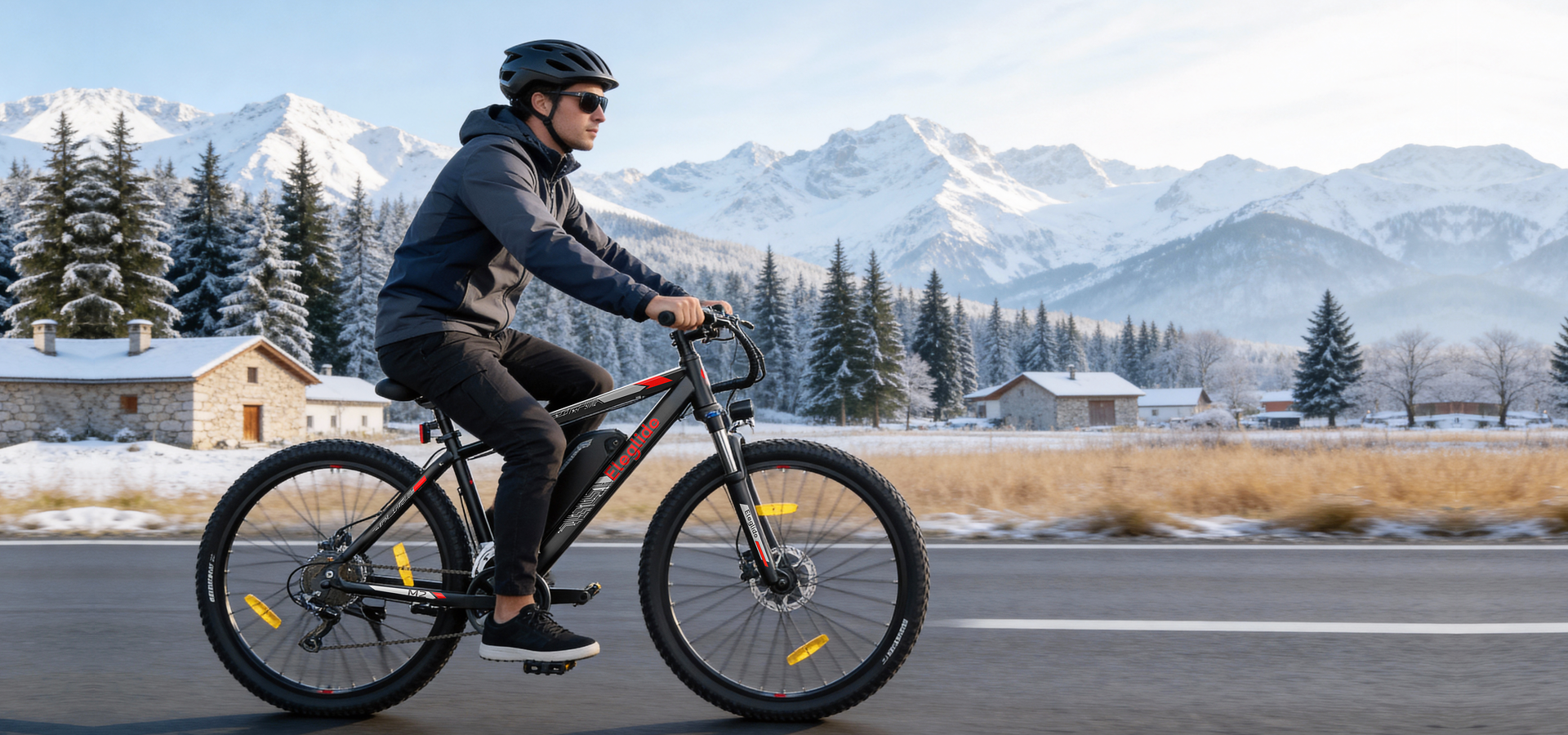

Teilen:
3 Kommentare
Your batteries are cheap rubbish and have a low Aph. And what company tells a rider that they have to get off a bike and push it up a hill? Eleglide says that. Pluss, your parts that make up your bikes are cheap.
Your batteries are cheap rubbish and have a low Aph. And what company tells a rider that they have to get off a bike and push it up a hill? Eleglide says that. Pluss, your parts that make up your bikes are cheap.
Hla. Yo tengo la m1 y estoy contento con ella, pero noto que la batería dura menos que antes. Mi pregunta es si puedo ponerle una batería de mayor capacidad.Gracias.